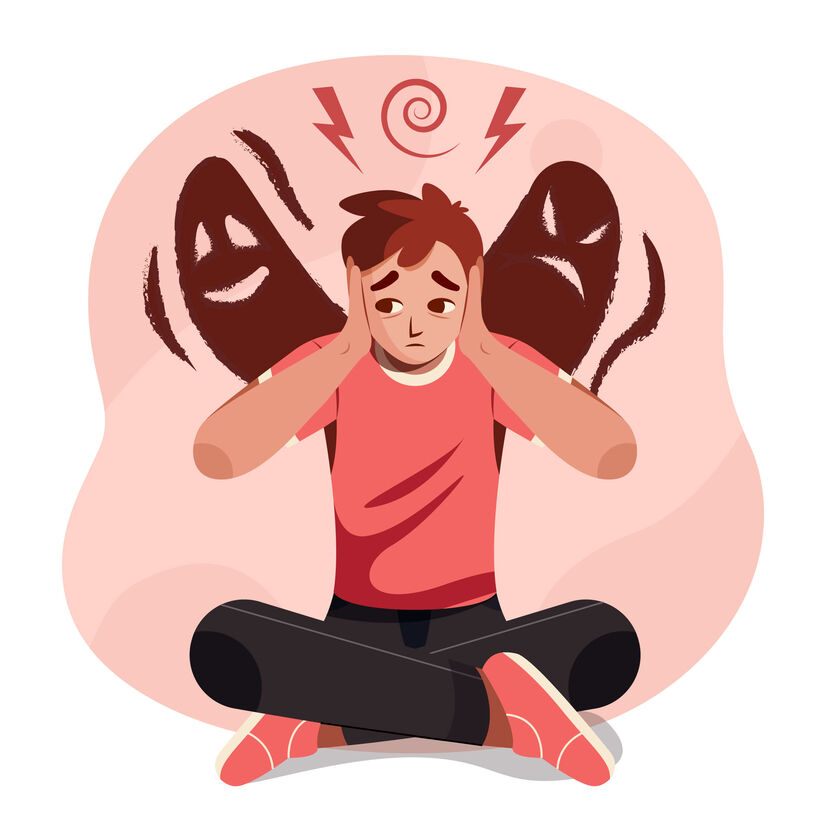
Panic attacks often begin without much warning, and the first experience can be confusing when there's no obvious cause.
You might feel your heart start to race as your breathing becomes uneven, and there’s a moment where it feels as though something has gone horribly wrong. There are some common signs that tend to come with a panic attack.
For example, you might notice a pounding or racing heart, short or shallow breathing, dizziness, chest tightness, sweating, or a sense that things around you don’t feel quite real. Some people feel shaky or nauseous, while others feel a sudden rush of fear that doesn’t seem to match what’s going on around them. Not everyone gets all of these, but a few of them together can be enough to feel overwhelming.
Panic attacks are usually linked to the body’s threat system switching on too strongly. This can be triggered by stress building up over time, lack of sleep, pressure from work or studies, difficult emotions that haven’t been processed, or even physical sensations that stem from caffeine, illness, or feeling overheated. Sometimes the trigger is clear, and sometimes it’s more subtle, which can make it harder to recognise.
What can make it harder to deal with is how quickly the mind tries to make sense of what’s happening. A fast heartbeat can feel dangerous; shortness of breath can seem like something serious; the sense of unreality can feel like being disconnected from the world. Once the panic increases, the body reacts even more strongly, creating a loop, and in that moment it’s difficult to think clearly.
How to get through a panic attack
It helps to understand that a panic attack isn't dangerous, even if it feels so in the moment. It's also useful to remember that it will pass. Keeping these two things in mind can help take the edge off the attack, even though it feels really unpleasant at the time.
When the symptoms start, there are a few simple ways of responding that can help steady things:
Slow your breathing slightly, focusing on a longer exhale rather than trying to take big breaths. It can be helpful to practise this step, so it's easier to recall if you do have an panic attack.
Remind yourself what’s happening, even a short phrase like “this is just a panic response; I'm not in danger and it will pass” can help reduce the stress.
Look outward, distracting yourself and noticing things around you like objects, sounds, or physical sensations helps shift attention away from the internal spiral. Check out this guided exercise (click here)
Let the feelings rise and fall, rather than trying to push them away or shut them down. This can feel counterintuitive, but trying to resist the panic typically increases it.
Stay where you are for a minute after the attack passes, because leaving straight away can strengthen the feeling that you need to get away from the situation. Once you're feeling OK, take a few deeps breaths before continuing with your day.
These steps don’t stop panic instantly, but they reduce the extra fear that usually makes it worse. That’s often the part that keeps the cycle going.
After it passes, it’s common to spend time trying to figure out exactly what caused it or how to prevent it from happening again. Some reflection can be useful, but too much focus on avoiding panic can build more fear rather than reduce it.
A better approach is learning to handle it when it happens. This can include noticing patterns like stress, poor sleep, or pressure building up in the background. It's also useful to practise grounding and breathing techniques in advance so you can easily bring them to mind. And, of course, you can always contact our counselling team if you feel you need some support to deal with recurring panic attacks.